
Web Designing
Web designing is the process of creating visually appealing and user-friendly interfaces for websites. It involves a combination of graphic design, user experience (UX) design, and front-end development to produce engaging and intuitive web experiences for users.
Key aspects of web designing include:
Visual Design:
Visual design focuses on the aesthetics of a website, including layout, color schemes, typography, and imagery. Designers use tools like Adobe Photoshop, Adobe Illustrator, or Sketch to create mockups and prototypes that represent the visual elements of the website.
User Experience (UX) Design:
UX design is concerned with optimizing the usability and accessibility of a website to enhance the overall user experience. This involves understanding user behaviors, conducting user research, creating user personas, and designing user flows and wireframes to ensure intuitive navigation and interaction.
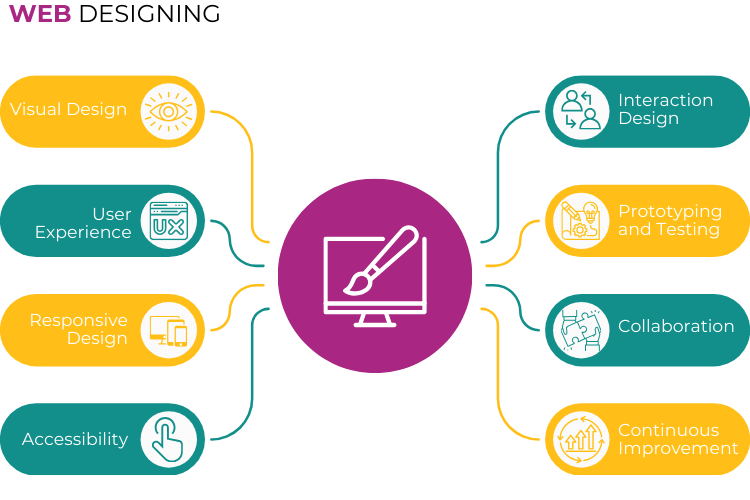
Responsive Design:
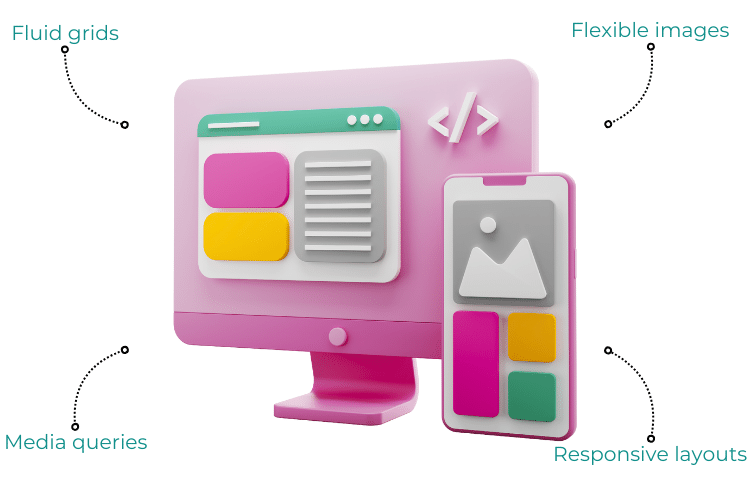
With the increasing use of mobile devices, responsive design has become crucial for ensuring that websites display effectively across various screen sizes and devices. Web designers utilize techniques like fluid grids, flexible images, and media queries to create responsive layouts that adapt to different viewport sizes.
Accessibility:
Web designers strive to make websites accessible to users with disabilities by adhering to accessibility standards and guidelines such as the Web Content Accessibility Guidelines (WCAG). This includes providing alternative text for images, ensuring keyboard navigation, and designing with color contrast considerations.
Interaction Design:
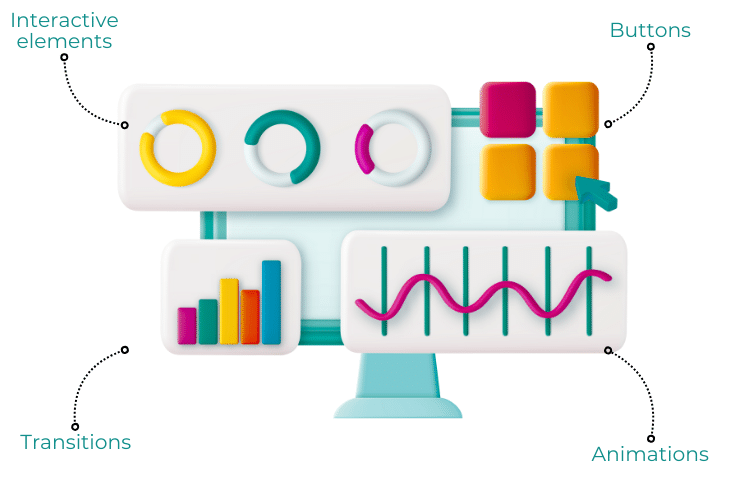
Interaction design focuses on creating engaging and interactive elements within the website, such as buttons, forms, animations, and transitions. Designers use techniques like microinteractions, hover effects, and scroll animations to enhance user engagement and feedback.
Prototyping and Testing:
Before launching a website, designers often create prototypes or mockups to test the functionality and usability of different design elements. User testing and feedback are essential for identifying usability issues and refining the design to improve the overall user experience.
Collaboration:
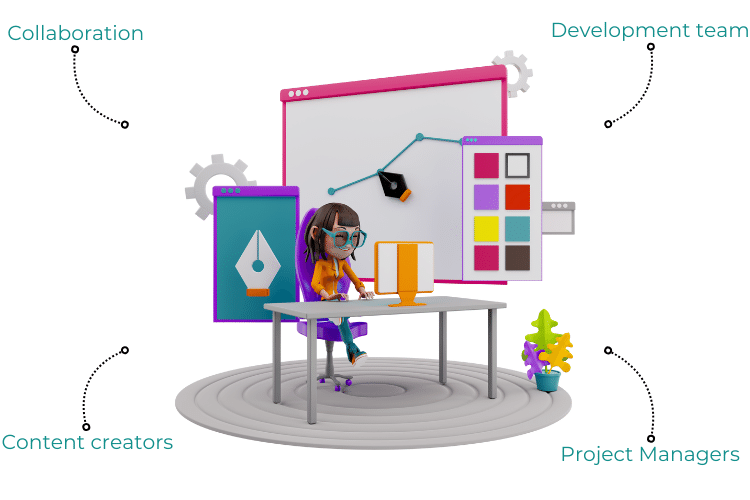
Web designers often collaborate closely with other members of the development team, including developers, content creators, and project managers, to ensure that the design aligns with the project goals and technical requirements.
Continuous Improvement:
Web design is an iterative process, and designers continuously seek feedback and make refinements to improve the website's performance and user satisfaction over time. This may involve analyzing user metrics, conducting A/B testing, and staying updated on emerging design trends and technologies.
In summary, web designing is a multifaceted discipline that combines artistic creativity, technical proficiency, and user-centric principles to create compelling and effective web experiences. A well-designed website not only looks visually appealing but also provides a seamless and engaging user experience that keeps visitors coming back.