Staff Management
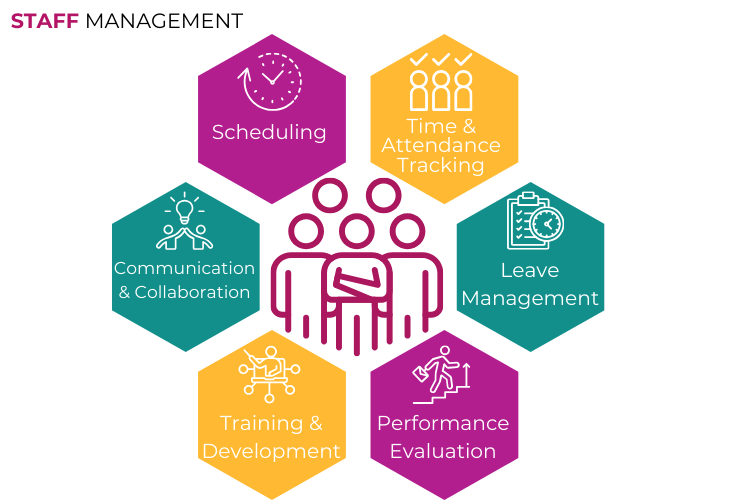
Staff management software is a comprehensive solution designed to streamline the process of managing employees within an organization. It offers a range of features and tools to help businesses efficiently handle various aspects of staff management, including scheduling, attendance tracking, performance evaluation, communication, and more. Here's an overview of the key features and benefits of staff management software:
Scheduling:
Staff management software allows managers to create and manage employee schedules effortlessly. It provides tools for assigning shifts, managing time-off requests, handling shift swaps, and ensuring adequate staffing levels to meet business needs. Automated scheduling features help optimize staffing levels and minimize scheduling conflicts.
Time and Attendance Tracking:
With time and attendance tracking capabilities, staff management software enables employees to clock in and out electronically, either through web-based interfaces, mobile apps, or biometric devices. It accurately records employee work hours, tracks overtime, and calculates attendance-related metrics such as punctuality and absenteeism.
Leave Management:
Staff management software simplifies leave management by centralizing the process of requesting, approving, and tracking employee leave. It allows employees to submit leave requests online, while managers can review and approve requests, track leave balances, and ensure compliance with company policies and labor regulations.
Performance Evaluation:
Many staff management software solutions include features for conducting performance evaluations and reviews. Managers can set goals, track progress, provide feedback, and conduct performance assessments for individual employees or teams. Performance data can be used to identify top performers, address performance issues, and support career development initiatives.
Training and Development:
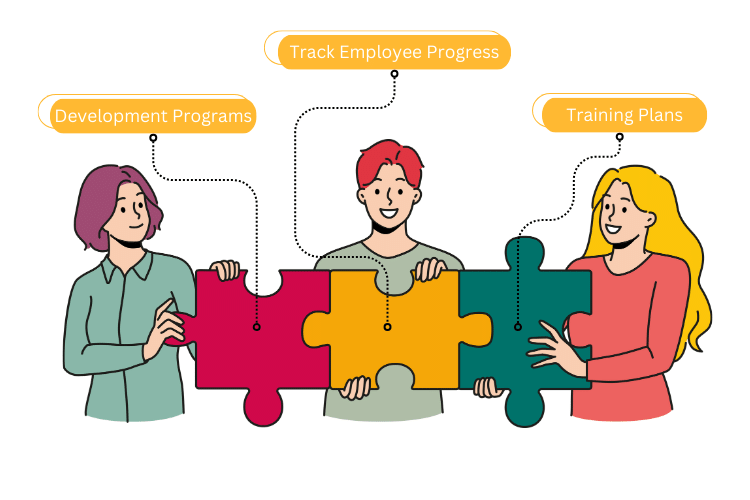
Staff management software may offer tools for managing employee training and development programs. It enables managers to create training plans, assign courses, track employee progress, and assess training effectiveness. This helps organizations build a skilled and knowledgeable workforce and invest in employee growth and advancement.
Communication and Collaboration:
Staff management software often includes communication and collaboration tools to facilitate seamless interaction and information sharing among employees and managers. This can include features such as employee directories, messaging systems, announcement boards, and team collaboration spaces, fostering a more connected and engaged workforce.
HR Compliance and Reporting:
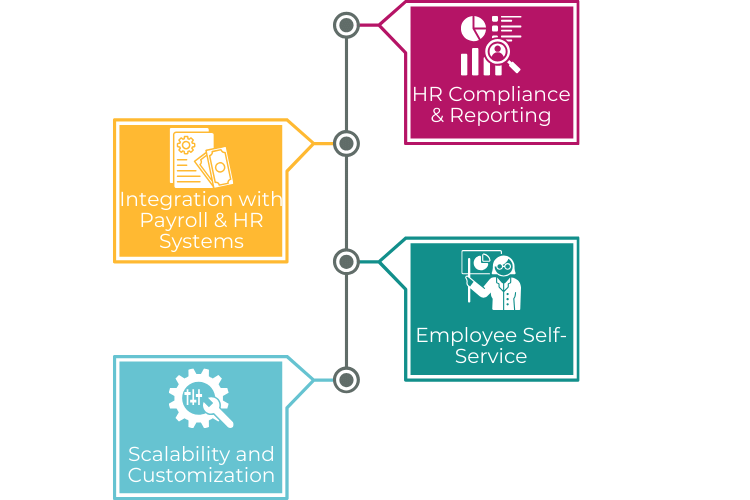
Staff management software helps ensure compliance with labor laws, regulations, and company policies by providing tools for tracking and reporting on HR-related data. It generates reports on employee attendance, leave balances, performance metrics, and other key indicators, which can be used for payroll processing, audits, and regulatory compliance.
Integration with Payroll and HR Systems:
Many staff management software solutions integrate seamlessly with payroll and HR systems, allowing for the automated transfer of employee data, timekeeping information, and other relevant metrics. This integration streamlines payroll processing, reduces administrative overhead, and ensures data accuracy across different systems.
Employee Self-Service:
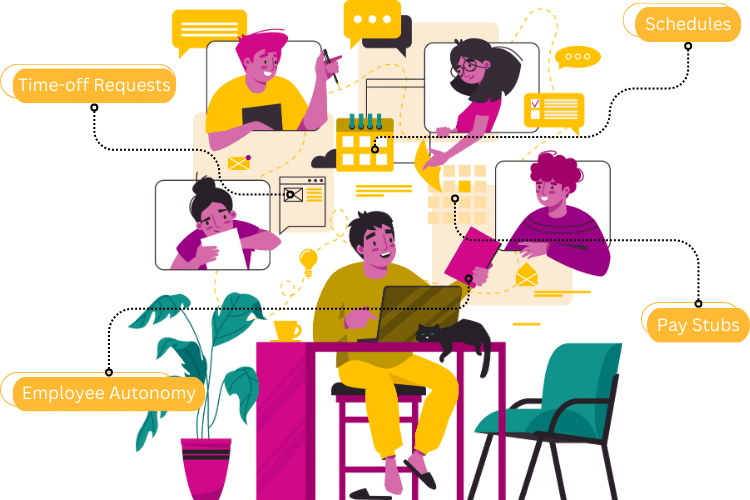
Staff management software often includes employee self-service portals or mobile apps, empowering employees to access and manage their own information, such as schedules, time-off requests, pay stubs, and performance feedback. This self-service functionality reduces administrative workload for managers and enhances employee autonomy and satisfaction.
Scalability and Customization:
Staff management software is scalable and customizable to accommodate the needs of organizations of all sizes and industries. It can be tailored to fit specific workflows, organizational structures, and regulatory requirements, ensuring that businesses can adapt and grow without outgrowing their management systems.

In summary, staff management software plays a critical role in helping businesses effectively manage their workforce, streamline administrative processes, ensure compliance with regulations, and foster employee engagement and productivity. By leveraging the features and benefits of staff management software, organizations can optimize their HR operations and focus on achieving their business objectives.