
Counseling
Software counseling involves providing guidance and expertise to individuals or organizations seeking assistance in navigating the complexities of software development and technology implementation. This can encompass a wide range of services, from advising on technology choices and architecture design to project management, quality assurance, and post-deployment support.
The process of software counseling typically begins with understanding the client's needs, goals, and constraints. This involves conducting thorough assessments of existing systems, workflows, and challenges to identify areas where software solutions can make a meaningful impact.
Once the requirements are understood, software counselors collaborate with clients to devise a strategic plan tailored to their specific needs. This plan may include recommendations for custom software development, integration of existing off-the-shelf solutions, or a combination of both.
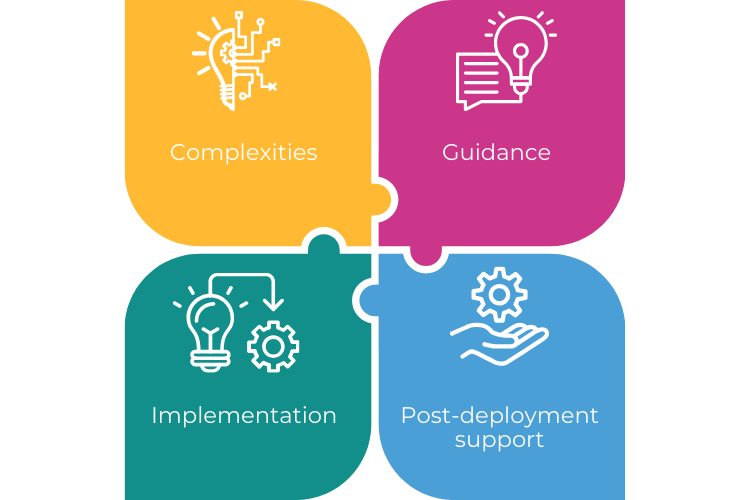
During the development phase, software counselors play a crucial role in overseeing the implementation process, ensuring that the software is being built according to specifications, on schedule, and within budget. They may provide technical guidance to development teams, facilitate communication between stakeholders, and address any issues or roadblocks that arise along the way.
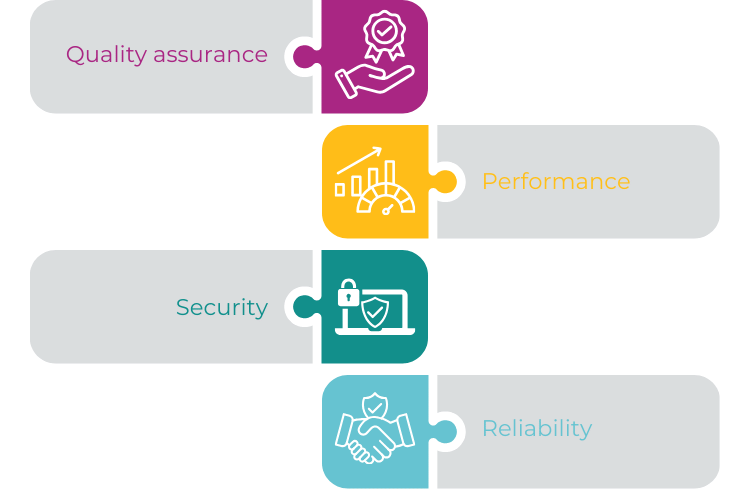
Quality assurance is another key aspect of software counseling. Counselors work closely with testing teams to establish robust testing protocols, conduct thorough QA assessments, and ensure that the software meets the highest standards of performance, security, and reliability.
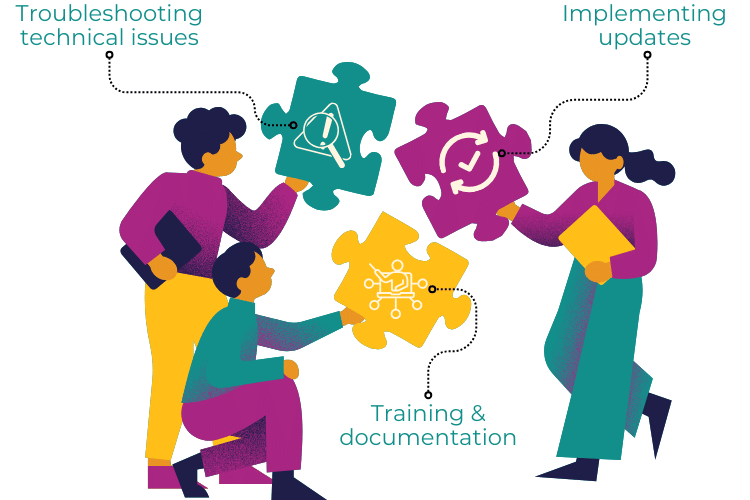
Once the software is deployed, software counselors continue to provide support and guidance to clients, helping them optimize and maintain their systems over time. This may involve troubleshooting technical issues, implementing updates and enhancements, and providing training and documentation to end-users.
In addition to providing guidance on individual software projects, software counselors also help clients navigate broader market challenges and technological trends. This may involve advising on emerging technologies, assessing the competitive landscape, and identifying opportunities for innovation and differentiation.
Ultimately, software counseling is about leveraging expertise and experience to help clients harness the power of technology to overcome challenges, drive efficiency, and achieve their business objectives. By providing strategic guidance, technical expertise, and ongoing support, software counselors play a vital role in empowering organizations to thrive in an increasingly digital world.